Why Bond Paper Pricing Is Harder to Pin Down Than It Looks
Anyone who has bought bond paper for more than a year has probably noticed that the price per ream is not fixed the way a stationery catalog might suggest. It shifts with global pulp costs, currency exchange rates, fuel and freight costs, and seasonal demand spikes around the start of the school year and the fourth-quarter business reporting season.
Rather than quoting you a fixed number that will be outdated within weeks, this article explains the factors actually moving bond paper prices in 2026 so you can plan your purchasing intelligently and know what questions to ask when you request a quote. Understanding the drivers behind the price, rather than just the number itself, is what lets a buyer negotiate and time purchases effectively instead of simply accepting whatever quote arrives without context for why it looks the way it does.
The Biggest Driver: Global Pulp Prices
Bond paper is manufactured primarily from wood pulp, and pulp is a globally traded commodity whose price is influenced by everything from forestry output in producing countries to energy costs at pulp mills to shipping capacity on major trade routes. When pulp prices rise — due to reduced mill output, higher energy costs, or supply disruptions from major producing regions — bond paper manufacturers generally pass at least part of that increase through to wholesale buyers within one to two purchasing cycles.
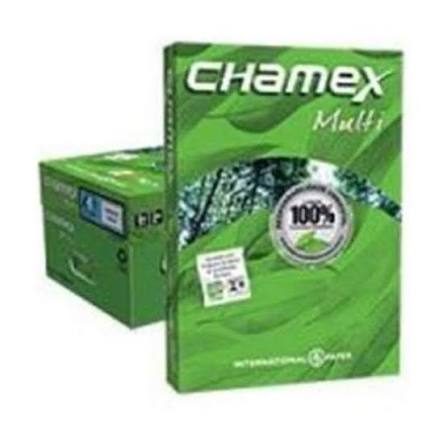
Because most of the well-known brands sold in the Philippines, including Double A, PaperOne, and Chamex, are manufactured overseas in Thailand, Indonesia, and Brazil respectively, global pulp market conditions affect Philippine wholesale prices even when local demand is stable. A buyer who understands this dynamic can time larger purchases around periods of relative pulp price stability rather than reacting to price changes after they have already hit invoices.
Pulp prices also tend to move in cycles that are somewhat independent of any single country's local economy, which is why bond paper prices can rise even during periods when nothing appears to be happening in the Philippine market specifically. Keeping half an eye on general commodity and freight news, or simply asking your supplier what they are seeing from their own mill contacts, can help you anticipate rather than just react.
Currency Exchange Rates
Since the major bond paper brands are imported, the peso's exchange rate against the US dollar and other trading currencies directly affects landed cost. A weaker peso makes imported paper brands more expensive in peso terms even if the underlying dollar-denominated price from the mill has not changed. This is one reason wholesale bond paper prices in the Philippines can shift even during periods when global pulp markets are relatively quiet — the currency effect is happening independently.
For buyers who purchase paper as part of a larger operation, it is worth tracking currency movement alongside your paper budget the same way you might track it for any other imported input. A sudden currency shift can catch a purchasing team off guard mid-quarter if nobody is watching for it.
Why This Matters for Bulk Buyers
Buyers who purchase in very large volumes sometimes benefit from locking in pricing for a defined period through their supplier, which can offer some protection against short-term currency swings. It is worth asking any wholesale supplier whether they offer any form of price stability for standing orders or long-term supply agreements, especially for schools and institutions that need to budget a full year in advance.
Seasonal Demand Cycles in the Philippines
Bond paper demand is not flat throughout the year. The back-to-school period, typically ramping up from May through the start of classes, sees a significant spike in demand for school supplies and bond paper for exercise books, worksheets, and administrative printing. Government offices and corporations also tend to increase print volume toward fiscal year-end reporting periods, creating a second, smaller demand spike later in the year.
Suppliers who anticipate these cycles and stock inventory ahead of time are generally able to hold more stable pricing through peak season than those scrambling to restock on short notice, when spot-market purchasing at higher cost gets passed through to buyers. This is one of the practical advantages of ordering from a wholesaler with established warehousing, like our facility in Sogod, Southern Leyte, rather than a smaller reseller buying paper reactively as orders come in.
How Brand and GSM Affect Where You Land on Price
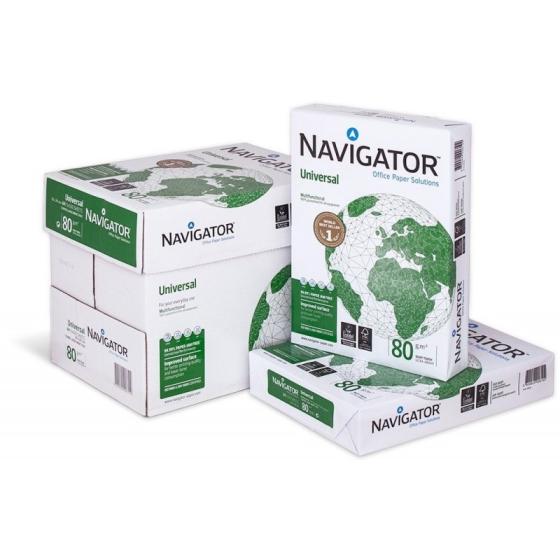
Independent of macro pricing trends, your own brand and GSM choices are the biggest lever you control. Premium brands like Double A, Navigator, and Reflex Ultra White will consistently price higher than mid-range brands like Chamex, Typek, or SvetoCopy, which in turn price higher than budget hard copy bond paper. Similarly, 100 GSM paper costs meaningfully more per ream than 70 GSM paper due to the additional raw material per sheet.
- Match GSM to the actual job — do not default to 80 GSM for internal drafts that would perform fine at 70 GSM
- Segment your paper purchasing by use case — premium brand for client-facing documents, budget brand for internal volume printing
- Buy in volumes that qualify for wholesale case or pallet pricing rather than repeated small orders
- Ask your supplier about standing order or contract pricing if your usage is predictable month to month
What Buyers Should Do Before Placing a 2026 Order
Rather than anchoring to a price you saw quoted months ago, request a current wholesale quote broken down by brand and GSM so you can see exactly where your money is going and identify opportunities to shift volume toward better-value brands without sacrificing the quality you need for client-facing work. A transparent supplier should be willing to explain what is driving current pricing rather than simply stating a number without context.
It is also worth asking whether your supplier can offer better per-unit pricing for larger, less frequent orders versus smaller, more frequent ones — freight and handling costs on the supplier's end often make consolidated orders more efficient for both parties, and that efficiency can translate into better wholesale pricing for you as the buyer.
Comparing Quotes from Multiple Suppliers
When comparing wholesale bond paper quotes from different suppliers, make sure you are actually comparing like for like. A lower headline price per ream can hide a lower GSM, a different brand tier, a shorter payment term, or a delivery cost that gets added separately after the quote is presented. Ask every supplier to break down price per ream by brand and GSM explicitly, and confirm whether delivery, taxes, and any minimum order requirements are already included in the number you are comparing.
It is also reasonable to ask a prospective supplier for a reference from another buyer of a similar size and order pattern, particularly if you are considering shifting a large recurring order away from a supplier you have used for years. A supplier confident in their pricing and consistency should not hesitate to support this kind of due diligence, and a hesitant response is itself useful information.
Finally, resist the temptation to chase the single lowest quote on every individual order. Suppliers who can count on a predictable, recurring relationship are often able to offer better overall terms over a year than one who has to requote from scratch, at whatever the market happens to be doing, every single time you place an order.
Freight, Fuel, and Logistics Costs Layered on Top of Paper Price
The price on a wholesale bond paper quote is never just the ex-mill cost of the paper itself. Domestic freight within the Philippines, inter-island shipping for buyers outside the supplier's immediate region, fuel surcharges, and warehousing costs all get factored into a final delivered price, and each of these can move somewhat independently of the underlying pulp market. A spike in fuel prices, for instance, can push delivered paper costs up even during a quiet period for global pulp pricing.
For buyers located outside major metro areas, it is worth asking your supplier to break down how much of your quoted price reflects the paper itself versus delivery logistics. This transparency helps you understand whether a price increase is coming from the product or from the cost of getting it to you, which are two very different problems with different solutions — the first might mean switching brands or GSM, while the second might mean adjusting order size or frequency to make each delivery more efficient.
Consolidating orders into fewer, larger deliveries is often the simplest way to reduce the logistics portion of your total cost, since a supplier's per-delivery overhead is spread across more reams. This is one more reason buyers with predictable annual usage tend to do better on total landed cost than those placing frequent small orders throughout the year, since each additional delivery run carries its own fixed cost regardless of how much paper is on the truck.
Get a Current Wholesale Quote
Bond paper pricing changes often enough that any number published in an article will be stale by the time you read it. The most reliable way to plan your 2026 paper budget is to request an up-to-date quote directly, broken down across the brands and GSM weights you actually use. Our team can put together a quote covering your full mix — from premium Double A to budget hard copy bond paper — so you can plan your purchasing with real numbers instead of guesswork.