Why Southeast Asia Is a Major Source for A4 Bond Paper
Southeast Asia, and the Philippines in particular, sits close to major pulp and paper producers in Indonesia and Thailand while also hosting its own manufacturing and converting operations for bond paper and hard copy bond paper. That geography makes the region a practical sourcing hub for international buyers in markets like Papua New Guinea, Australia, the Pacific Islands, and beyond, who need reliable A4 paper volumes without the longer lead times and freight costs of sourcing from Europe or North America.
This guide walks through the practical steps of importing A4 paper from a Southeast Asian supplier, whether you are a distributor in Port Moresby, a retailer in Sydney, a wholesaler in Dubai, or a procurement manager anywhere that currently buys paper further afield than it needs to. Many international buyers are surprised at how much freight cost and lead time they can shave off simply by sourcing regionally instead of defaulting to a familiar but distant supplier.
Step 1: Identify the Right Type of Supplier
Not every seller of bond paper is set up to export. Some operate purely as domestic wholesalers without the licensing, documentation experience, or freight relationships needed for cross-border shipments. Before requesting quotes, confirm that a potential supplier is a registered exporter — in the Philippines, that means DTI registration and an established track record of shipping internationally, not just a willingness to quote a price when asked.
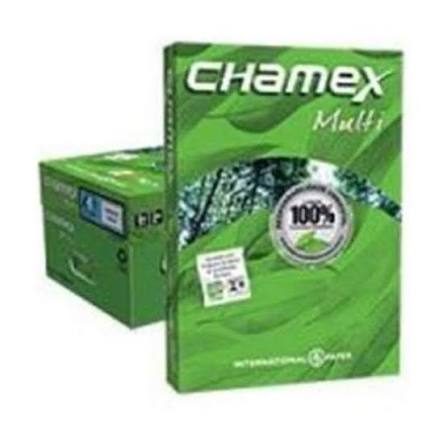
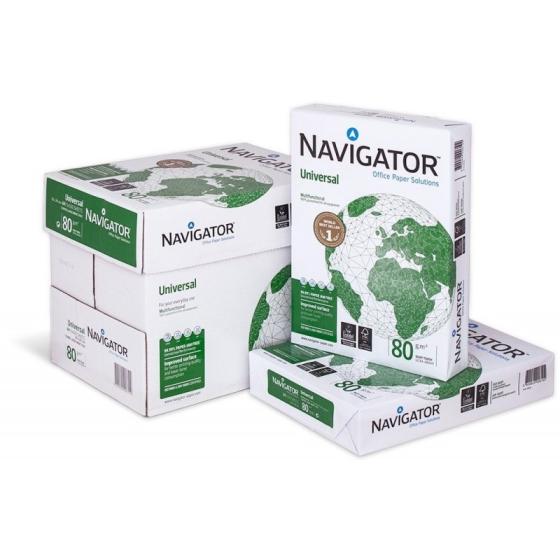
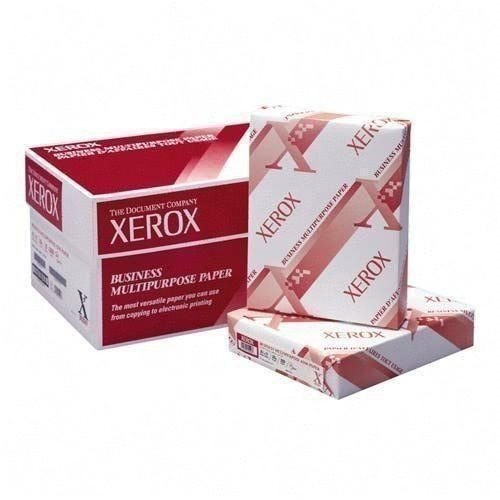
It is also worth asking how many brands and GSM options the supplier can offer from a single warehouse. A supplier who can consolidate Double A, PaperOne, Xerox Vitality, Chamex, and hard copy bond paper into one shipment saves you from managing multiple vendors, multiple sets of paperwork, and multiple freight bookings for what should be one order. This consolidation advantage becomes more valuable the larger and more diverse your product mix is.
Step 2: Request Samples and Verify Specifications
Never commit to a container-level order without first testing samples on your own equipment. Request sample reams across the GSM weights you plan to import — typically 70, 75, 80, or 100 GSM — and run them through the actual printers and copiers your customers or staff will be using. Pay attention to jam rates, print clarity, and any dust residue after a few hundred sheets, not just the first handful.
Confirm the technical specifications in writing: GSM, brightness rating, sheet dimensions (standard A4 is 210mm x 297mm, but always verify), moisture content tolerance, and ream count per box. Discrepancies here are one of the most common sources of disputes in international paper trade, so getting them documented up front protects both sides and gives you a clear reference point if a later shipment does not match the sample you approved.
Questions to Ask Before Sampling
Ask the supplier directly about country of origin for the paper itself (not just the shipping origin), typical lead time from order confirmation to container loading, minimum order quantities per brand, and whether they can mix brands and GSM within a single container to match your actual sales mix rather than forcing a single-SKU order. A supplier who answers all of this clearly and quickly is usually a good sign of export experience.
Step 3: Understand the Documentation You'll Need
International paper shipments generally require a commercial invoice, packing list, bill of lading (for sea freight, which is standard for bulk paper due to its weight and volume), and a certificate of origin, along with any import permits or product declarations your destination country requires for paper products. Some destination markets also require phytosanitary or fumigation certificates for wooden pallets used in packing — confirm this with your supplier and your own customs broker before the shipment leaves port.
A reliable exporter should be able to walk you through exactly which documents they provide as standard and which ones fall on your side as the importer of record. If a supplier cannot clearly answer this, treat it as a warning sign about their export experience, since incomplete documentation is one of the most common causes of costly delays at destination customs.
- Commercial invoice matching the agreed price and quantity terms
- Detailed packing list (reams per box, boxes per pallet, pallets per container)
- Bill of lading for sea freight shipments
- Certificate of origin for customs and any applicable trade preferences
- Fumigation or treatment certificate for wooden pallets, where required
- Any product-specific import permits required by your country's customs authority
Step 4: Choose the Right Shipping and Incoterms
Bond paper is heavy and dense, which makes sea freight the standard choice for any order beyond a few pallets — air freight is rarely cost-effective for paper products given the weight-to-value ratio. Work with your supplier to agree on Incoterms (FOB, CIF, or CFR are the most common for paper) so both sides understand exactly where responsibility for freight cost, insurance, and risk transfers from seller to buyer.
Container planning matters more than buyers often expect. A standard 20-foot or 40-foot container can hold a specific, calculable number of pallets of bond paper, and an experienced exporter will help you optimize the mix of brands and GSM to fill a container efficiently rather than shipping partial loads that waste freight cost per ream. Getting this planning right on the first order sets a template you can reuse for every subsequent shipment.
Step 5: Plan for Customs Clearance and Storage
Work with a licensed customs broker in your destination country who has specific experience clearing paper products, since tariff classifications and any applicable duties can vary by paper type and country of origin. Build customs clearance time into your inventory planning so you are not caught short waiting on stock that has technically already arrived at port but is not yet released for pickup.
Once cleared, store bond paper in a dry, climate-controlled space. Paper is hygroscopic — it absorbs ambient moisture — so warehouses in humid coastal climates should prioritize proper sealing and, where possible, dehumidified storage to prevent curling, jamming, or print quality issues after the paper has already traveled thousands of kilometers to reach you. A shipment that arrives in perfect condition can still degrade quickly if stored poorly at the final destination.
Step 6: Build a Repeat Sourcing Relationship
One-off orders are inefficient. Freight costs, documentation overhead, and quality verification are all easier to manage when you establish a repeat relationship with a supplier who understands your brand mix, GSM preferences, and typical order cadence. A supplier who already exports regularly to markets like Papua New Guinea, Australia, UAE, Singapore, Canada, South Africa, South Korea, and Indonesia will have smoother processes in place than one shipping internationally for the first time on your order.
A repeat relationship also tends to improve pricing over time, since the supplier can plan inventory and production runs around your known demand rather than treating every order as a one-off spot purchase. This is especially valuable for buyers with predictable, recurring volume who want to avoid renegotiating terms from scratch every quarter.
RC Printshoppe operates as a DTI-registered wholesaler and exporter from Sogod, Southern Leyte, with an established line card of 25-plus bond paper brands and existing export relationships across these markets. Whether you need a single container of PaperOne A4 or a mixed pallet load across Double A, Chamex, and hard copy bond paper, our team can walk you through documentation, container planning, and lead times before you commit to an order.
Common Pitfalls First-Time Importers Should Avoid
First-time importers of A4 bond paper tend to run into the same handful of avoidable problems. Underestimating lead time is the most common — between order confirmation, production or stock allocation, container loading, sea freight transit, and customs clearance, the full cycle from purchase order to warehouse delivery can take considerably longer than buyers initially budget for, especially during peak shipping seasons when container space is tighter across the region.
Another frequent mistake is ordering a single brand and GSM in bulk without first confirming it matches actual end-customer demand, only to discover after the container arrives that the market wanted a different mix. Working with a supplier who can split a container across multiple brands and weights significantly reduces this risk on a first order, even if it means a slightly less efficient per-unit freight cost than a single-SKU container.
- Underestimating total lead time from order confirmation to warehouse delivery
- Ordering a single brand and GSM without validating the mix against actual demand
- Skipping a sample test before committing to a full container order
- Not confirming Incoterms in writing, leading to disputes over who covers freight and insurance
- Failing to line up a customs broker with paper-specific experience before the shipment arrives
- Underestimating storage and humidity control needs at the destination warehouse
Building a Buffer Into Your First Order
For a first shipment from a new supplier, it is generally wise to order a somewhat smaller volume than your full annual need, even if the per-unit price is slightly less favorable than a larger commitment would earn. This lets you validate quality, documentation accuracy, and delivery timing on a smaller scale before locking in a larger recurring order, and it gives both sides a chance to iron out any communication gaps before a much larger amount of capital is tied up in transit.
Ready to Source Your Next Shipment?
If you are evaluating Southeast Asia as a source for A4 bond paper, request a formal quote that includes brand options, GSM availability, container planning, and estimated lead times so you can compare it directly against your current supplier. Reach out to our export team to start the conversation.