What Makes A4 the Standard Size
A4 paper measures 210 by 297 millimeters and belongs to the international ISO 216 paper size standard, which is used across the Philippines, most of Asia, Europe, Africa, Oceania, and the Middle East. This is distinct from the Letter size standard, 8.5 by 11 inches, used primarily in North America. For businesses in the Philippines that print documents intended only for local or regional use, A4 is the correct default, and mixing up the two sizes is a common and avoidable error, particularly for businesses printing forms, letterheads, or templates designed around one size that then look misaligned or oddly proportioned on the other.
The ISO 216 system has a practical advantage beyond standardization: each size in the series, A3, A4, A5, and so on, is exactly half the area of the size above it, which means A4 sheets scale cleanly when folded, photocopied at reduced size, or bound into A5 booklets. This is one reason A4 has become the near-universal standard for office printing, government forms, and academic use outside North America.
Understanding GSM: What Paper Weight Actually Means
GSM stands for grams per square meter and describes how much a single sheet of paper weighs relative to its area, which is a reasonably reliable proxy for thickness and stiffness. Standard office copy paper in the Philippines is commonly sold in 70, 75, and 80 GSM, with heavier grades like 100 GSM used for documents that need to feel more substantial, such as certificates, proposals, or presentation materials.
Lower GSM paper, 70 GSM in particular, is thinner and more economical, making it a common choice for high-volume internal printing, drafts, and photocopying where cost per ream matters more than feel. Higher GSM paper is less prone to show-through when printing double-sided and generally handles better in laser printers running heavy toner coverage, which is why many offices standardize on 80 GSM as a middle ground between cost and print quality rather than choosing the cheapest or heaviest option by default.
Brightness and Whiteness
Brightness, usually expressed as a percentage or an ISO brightness rating, measures how much light a sheet reflects, which affects how sharp black text and color graphics appear on the page. Higher brightness generally produces a more polished, professional-looking printed page, which matters for client-facing documents, proposals, and marketing collateral. For internal drafts, meeting notes, or high-volume photocopying, a mid-range brightness is usually indistinguishable in practice and costs less per ream.
How the Major A4 Brands Compare
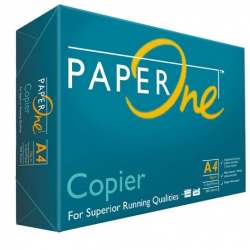
Double A is widely recognized across the Philippines and much of Asia for consistent sheet quality and smooth feed performance, and is a common default choice for offices that want to standardize on one dependable brand across both laser and inkjet printers. PaperOne, produced by one of Asia's largest integrated paper manufacturers, is generally positioned similarly as a premium multipurpose option with a strong regional reputation for reliability.
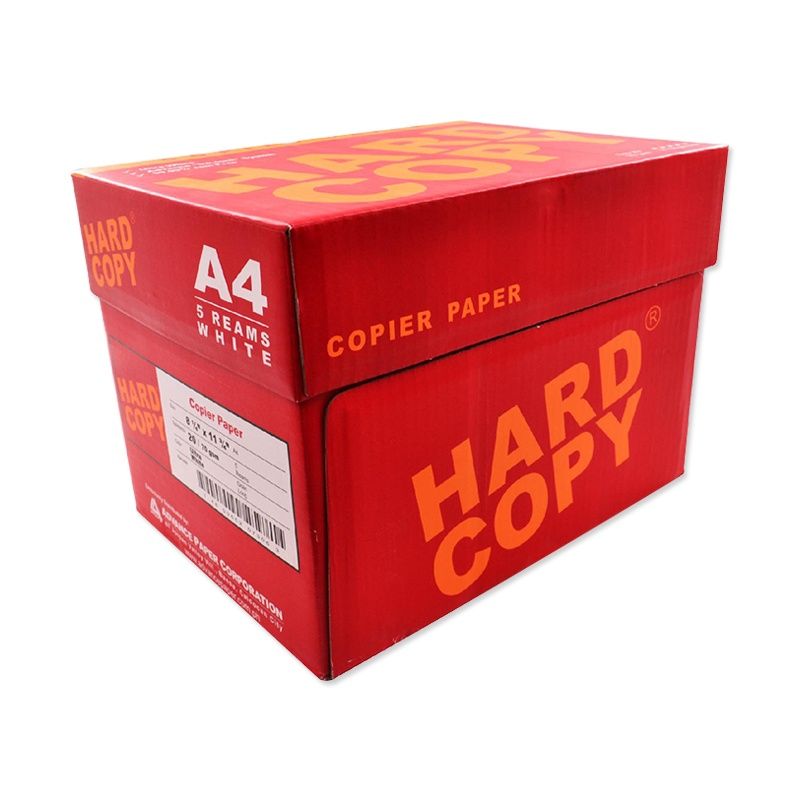
Xerox Vitality Multipurpose Printer Paper is commonly chosen by businesses running higher print volumes on copier-grade machines, where consistent feed and jam resistance across large runs matters more than any single sheet's finish. Navigator and Chamex, both associated with reputations for reliable performance in European and South American paper markets respectively, are also available through Asian distribution channels and are frequently selected by businesses with prior familiarity with those brands from earlier supplier relationships. Reflex Ultra White is generally chosen specifically for its brightness, appealing to buyers whose priority is visual crispness over cost. For businesses prioritizing cost above all else, more economical hard copy bond paper options, along with brands like Roco, SvetoCopy, and Paperline, serve high-volume, lower-budget printing needs without the premium pricing of the flagship multipurpose brands.
Matching Paper to Your Printer
Laser printers and photocopiers generally tolerate a wider range of GSM and finish than inkjet printers, since the toner fusing process is less sensitive to minor surface variation than inkjet's liquid ink absorption. Offices running primarily laser printers or copiers have more flexibility to choose paper based on cost and brightness alone. Inkjet printers, by contrast, tend to perform best with paper specifically finished for ink absorption, and using a mismatched sheet can result in feathering, smudging, or slow drying.
High-speed copiers and multifunction printers used for large print runs benefit from paper with consistent caliper, thickness, across the entire ream, since inconsistent sheets are a leading cause of paper jams in high-volume equipment. This is one reason established brands with tight manufacturing tolerances tend to be preferred for office copiers even when a cheaper alternative exists, since the cost of a jam-related service call or lost staff time often outweighs the per-ream savings.
Color and Specialty A4 Paper
Beyond standard white bond paper, many offices keep a modest stock of colored A4 paper on hand for internal filing systems, color-coded handouts, or event materials, and some print shops and schools use it heavily for signage, worksheets, and craft projects. Colored paper generally comes in similar GSM ranges to white bond paper, though brightness and shade consistency can vary more between batches than white paper does, which is worth confirming with a supplier if exact color matching across a large order matters for a specific use case.
Specialty finishes, such as heavier cover stock for report covers or textured paper for certificates, sit outside the everyday multipurpose category and are typically bought in smaller quantities for specific projects rather than as part of a standing wholesale order. Businesses with a recurring need for these should ask their regular paper supplier whether specialty stock can be added to an existing order to avoid managing a separate small vendor relationship just for occasional specialty printing.
Matching A4 Paper Choice to Business Type
Different types of businesses tend to converge on different default choices once they have used a range of paper long enough to know what fits their equipment and volume. Law firms, accounting practices, and other document-heavy professional services often favor 80 GSM or heavier for most printing, given how much of their output is client-facing and how important a crisp, substantial page feel is to their presentation. Schools and training centers, by contrast, typically standardize on 70 GSM given the sheer volume of worksheets, handouts, and exam materials printed each term, where cost per sheet matters more than premium feel.
Print shops and copy centers usually keep several brands and grades in stock simultaneously, since their customers arrive with varying budgets and quality expectations, from a student needing the cheapest possible photocopy to a business client wanting a premium proposal print. BPOs and large offices with heavy day-to-day printing volume often land on a single reliable mid-range brand at 70 or 80 GSM as their default, reserving premium brands for the smaller share of documents that go external.
Ream, Box, and Pallet: Understanding Wholesale Units
A4 copy paper is typically sold in reams of 500 sheets, boxed in units of five or ten reams per box, and palletized in larger quantities for full wholesale or export orders. Understanding these units matters when comparing quotes across suppliers, since a per-ream price only tells part of the story if box counts, pallet configuration, or minimum order quantities differ between quotes. A business comparing two suppliers should confirm whether pricing is quoted per ream, per box, or per pallet, and whether that price includes delivery or is ex-warehouse.
For larger offices or businesses supplying paper onward to their own retail customers, buying by the pallet rather than the box usually unlocks a meaningfully better per-ream price, though it also requires adequate dry storage space to hold the volume until it is used, which loops back to the humidity and shelf-life considerations that matter so much in the Philippine climate.
Common Mistakes When Buying A4 Paper in Bulk
The most frequent mistake is treating A4 copy paper as a single undifferentiated commodity and buying purely on price without specifying GSM, brightness, or brand, then being surprised when a shipment performs worse than expected on office equipment. A second common mistake is ordering far more than can reasonably be used and stored within a few months, which, given how paper absorbs humidity over time in tropical conditions, can mean a portion of a large order degrades in quality before it is ever used.
A third mistake, particularly common among businesses new to wholesale purchasing, is not confirming whether the quoted paper is genuinely the named brand or a similarly labeled substitute. Reputable suppliers should be transparent about exactly which brand and grade is being supplied and should not present a generic alternative as a name brand.
Storing A4 Paper in a Tropical Climate
The Philippines' humidity presents a genuine storage challenge for paper stock. Paper absorbs ambient moisture over time, and reams left in a humid stockroom, near a window, or stacked directly on a concrete floor can develop curl, cockling, or feed problems in the printer well before the paper is used up. Storing paper off the floor on pallets or shelving, away from direct sunlight and exterior walls, and in its original wrapping until needed, meaningfully extends usable shelf life.
For businesses that buy paper in bulk, ordering a quantity that will be used within a reasonable window, rather than stockpiling far more than a few months of anticipated use, is usually a better strategy than trying to solve storage with climate control alone. Wholesale suppliers accustomed to Philippine conditions typically already package reams with this in mind, but the responsibility for storage shifts to the buyer once the shipment is received.
- Keep paper off the floor and away from exterior walls or windows prone to condensation
- Store reams in original wrapping until ready to use
- Avoid stockrooms without ventilation or with fluctuating temperature
- Order quantities sized to actual usage over a few months rather than stockpiling a year's supply at once
Buying A4 Copy Paper Wholesale
Businesses that go through more than a few reams a week generally reach a point where buying A4 paper by the box or pallet from a wholesale supplier makes more financial sense than restocking retail packs. A reliable A4 bond paper wholesale supplier should be able to offer a mix of brands and GSM grades within a single order, rather than forcing a business to place separate orders for premium and economy paper needs.
RC Printshoppe and General Merchandise stocks A4 copy paper across more than two dozen brands, including Double A, PaperOne, Xerox Vitality, Navigator, Chamex, Reflex Ultra White, and hard copy bond paper options, in 70, 75, 80, and 100 GSM. Businesses looking to standardize their paper supply, or compare pricing across grades and brands, are welcome to request a wholesale quote.